
In recent years, drone technology has revolutionized the way we capture and analyze imagery, providing unprecedented access to perspectives and areas once deemed inaccessible. The advancement in drone imagery has opened up new horizons not only for professional photographers and filmmakers but also for various industries such as agriculture, construction, and environmental monitoring. With drones becoming increasingly sophisticated and affordable, the accessibility to cutting-edge imagery techniques has vastly improved for individuals and businesses alike.
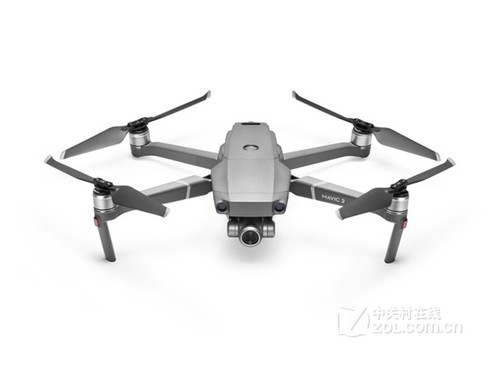
The Evolution of Drone Imagery
Drone imagery began its journey as a novelty, often limited by technology constraints and costs. Today, however, drones are equipped with high-resolution cameras, thermal imaging capabilities, and the ability to capture stunning aerial views that were previously unimaginable. These flying marvels are not only serving the entertainment industry but are also being employed in surveying tasks, measuring land features with precision, and offering real-time data for dynamic analyses.
Applications in Various Industries
Agriculture is witnessing a revolution with drone imagery, allowing farmers to monitor crop health efficiently and manage land resources in innovative ways. By analyzing this data, farmers can make informed decisions that drive productivity and sustainability. Similarly, construction industries utilize drones for site surveys, reducing human risk and increasing operational efficiency through precise, high-definition imagery.
Environmental monitoring has also benefitted immensely. Drones can identify impacts on wildlife habitats, track climate change indicators, and assess damage from natural disasters quickly and thoroughly, assisting in environmental conservation and disaster management.
Advantages of Drone Imagery
- Accessibility: Drones can reach remote areas where human entry may be limited or dangerous.
- Cost-effectiveness: Compared to traditional methods, drone imagery is often more economical, allowing frequent monitoring.
- Precision: Equipped with advanced sensors and GPS technology, drones provide highly accurate data.
Challenges and Considerations
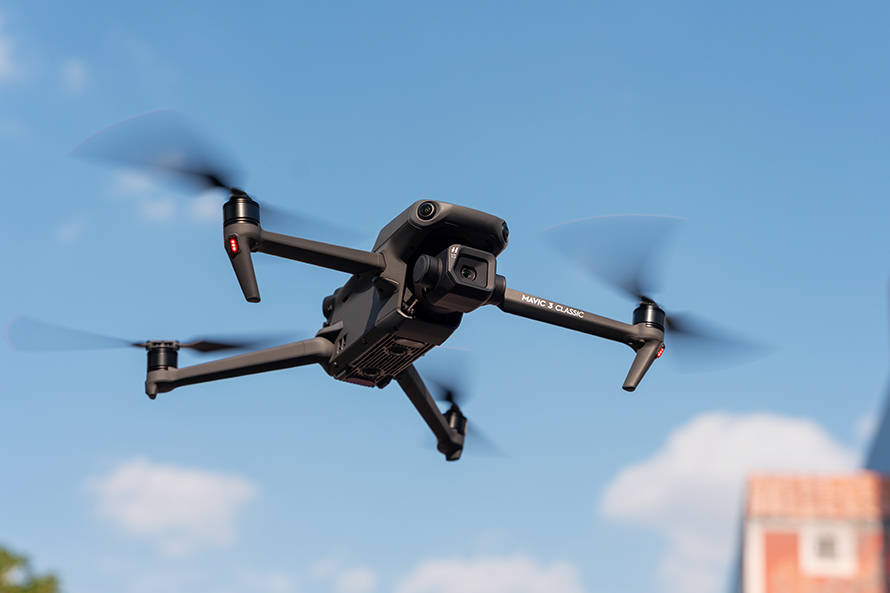
Despite the advantages, there are challenges associated with drone imagery. Privacy concerns arise as drones capture extensive data, necessitating regulations that balance innovation with security. Moreover, weather conditions can affect drone performance, demanding careful planning and timing of missions.
Technical proficiency and awareness of regulatory frameworks are essential for operators, ensuring ethical and legal compliance while optimizing drone use.
Frequently Asked Questions
How can drones improve agricultural practices? Drone imagery enhances agricultural decision-making by offering precise data on crop health, irrigation needs, and pest management, leading to increased productivity and sustainability.
What are the privacy concerns related to drone imagery? The ability of drones to capture widespread data can infringe on personal privacy; thus, operators must adhere to guidelines and regulations to ensure respectful usage.