
The increasing popularity of drones has sparked an interest in learning how to legally and safely operate these fascinating devices. Acquiring a drone flight license is essential for anyone looking to fly professionally or for individuals who want to ensure compliance with aviation regulations. In this guide, we will explore everything you need to know about obtaining your drone flying certification.
Understanding Drone Flight Licenses
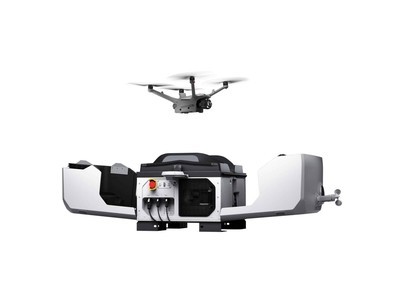
Drones, also known as Unmanned Aerial Vehicles (UAVs), are utilized for various purposes, including recreational photography, commercial use, and surveillance. To operate a drone legally, especially for commercial purposes, you must obtain a flight license. This license confirms that you are knowledgeable about the rules, regulations, and safe practices necessary for drone operation. It’s essential that every drone operator, regardless of purpose, follows these guidelines to ensure a safe and responsible use of UAV technology.
Why Obtain a Drone Flight License?
There are multiple reasons to pursue a drone flight license. Besides legality, a license offers peace of mind by confirming that you possess the required skills to operate your drone safely. It can also enhance career opportunities, as companies seeking drone operators often require proof of certification. Additionally, it helps you learn vital skills such as airspace management, meteorology basics, and emergency procedures, which are crucial in avoiding accidents.
Steps to Getting Your Drone Flight License
To start your journey towards obtaining a drone flight license, follow these essential steps:
- Research Requirements: The requirements for obtaining a drone flight license differ between countries and regions. Ensure that you are well-versed with the specific prerequisites applicable to your location.
- Register for a Training Program: It’s advisable to enroll in a comprehensive training program approved by aviation authorities. These programs cover fundamental topics, including operating procedures, national regulations, and emergency handling.
- Study the Material: Allocate sufficient time to study the course material. Diligent studying will improve your chances of passing the required exams.
- Take the Exam: After completing your training, you must pass an examination that assesses your understanding of safe drone operation practices and legal requirements.
- Submit an Application: Once you pass the exam, submit your application for the drone flight license along with any necessary documents or fees to the relevant aviation authority.
Considerations for Drone Operators
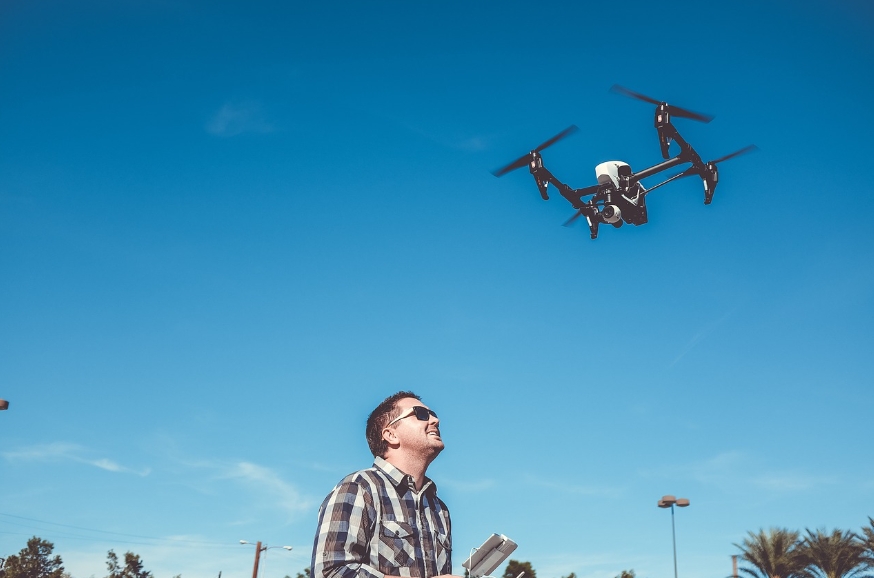
Upon obtaining your license, there are additional considerations for safe drone operation. Always consider weather conditions before flying. Strong winds or rain can compromise the stability of your UAV and increase the risk of accidents. Furthermore, respecting restricted airspaces is crucial as flying in unauthorized zones can lead to penalties or legal actions.
Maintaining your drone in good working condition is another vital consideration. Regular check-ups and firmware updates can drastically reduce the risk of technical failures during flight.
The Impact of Drone Technology
Drone technology impacts numerous sectors, including agriculture, real estate, and disaster management. Licensed operators find themselves at the forefront of technological advancements, contributing to innovations that benefit society.
FAQ – Drone Flight License
Q: Do I need a license to fly my drone recreationally?
A: In many regions, you don’t need a license for recreational use, but you must comply with rules and regulations governing drone operations. Essential knowledge about safe flying practices is always recommended.
Q: How long does the process take?
A: The time frame varies significantly, often depending on course length and regional regulations. It can take anywhere from weeks to several months.
Q: What if I fail the exam?
A: Most programs allow retakes, often after a designated waiting period. Use this time to revise your study materials thoroughly.