
Amazon has always been at the forefront of technological innovations, and their introduction of delivery drones presents a sky-high game changer in the realm of logistics. As we delve into the future of delivery drones, it is essential to explore how Amazon is revolutionizing the industry with its pioneering advancements.
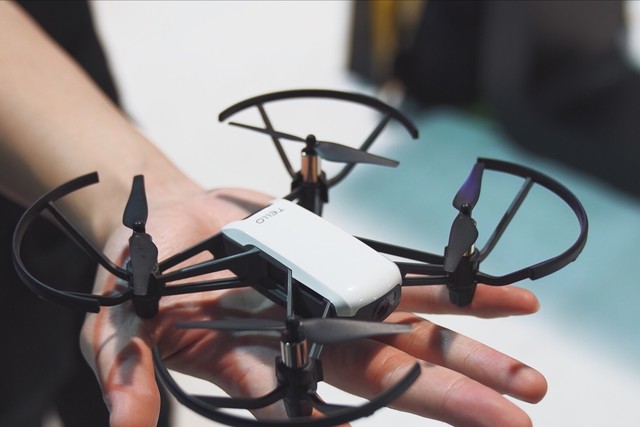
A New Dawn: Amazon’s Delivery Drones
Delivery drones by Amazon, often referred to as “Prime Air,” promise swift and efficient deliveries that could potentially transform the logistics landscape. The concept is straightforward yet groundbreaking: using unmanned aerial vehicles (UAVs) to deliver packages within a significantly reduced timeframe. This innovation not only enhances customer satisfaction but also reduces the carbon footprint associated with traditional delivery methods.
The Advantages of Drone Deliveries
- Speed: Amazon’s drones can deliver packages in as little as 30 minutes, providing a level of convenience that was previously unattainable with traditional delivery systems.
- Efficiency: By optimizing delivery routes and reducing human intervention, drones can operate continuously without fatigue, ensuring seamless delivery operations 24/7.
- Sustainability: Compared to conventional vehicles, drones consume less energy and produce fewer emissions, aligning with global efforts to combat climate change.

Moreover, Amazon has been developing sophisticated technology to ensure the safety and reliability of drone deliveries. This includes state-of-the-art obstacle detection systems and GPS technology that guarantee precise navigation even in congested urban areas.
The Challenges on the Horizon
Despite the promising potential of delivery drones, there are several challenges that Amazon continues to address. Regulatory hurdles remain a significant barrier, as aviation authorities require rigorous testing and standards for unmanned flight operations. Privacy concerns also loom large as drones navigate through residential areas.
Amazon’s Strategies for Overcoming Obstacles
To tackle these challenges, Amazon is actively collaborating with government agencies to establish clear regulations for drone operations. By fostering partnerships with local communities, Amazon ensures transparency and cooperation in the integration of drones into everyday life. The company has also invested heavily in research and development to enhance security measures, thereby mitigating privacy risks.
The Future Landscape: Enhanced Delivery Networks
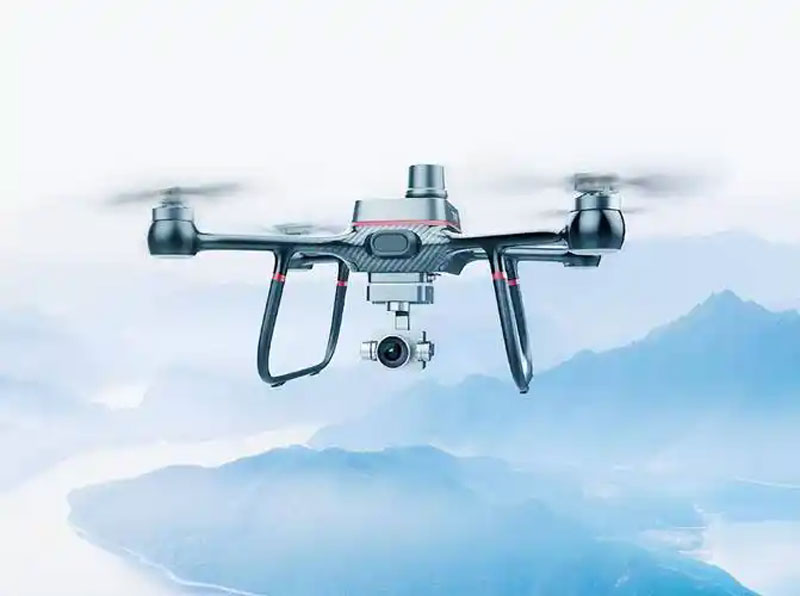
Looking ahead, the expansion of delivery drones could influence various sectors, including e-commerce, healthcare, and disaster relief. In the realm of e-commerce, the rapid delivery capabilities of drones enable customers to receive products faster than ever before, accelerating purchasing decisions and boosting sales.
In healthcare, drones can be used to transport medical supplies to remote or hard-to-reach areas, providing timely aid and support during emergencies.
Moreover, drones can play a pivotal role in disaster relief efforts by delivering essential goods to areas that are otherwise inaccessible due to infrastructure damage or challenging terrain.
FAQs: Amazon Delivery Drones
Q: How will drones handle heavy or large packages?
A: While current drone models are designed for lightweight parcels, Amazon is exploring hybrid drone designs capable of carrying heavier loads, thereby expanding the scope of drone deliveries.
Q: What measures are taken to ensure the safety of drone operations?
A: Amazon employs advanced obstacle-detection systems, robust GPS navigation, and failsafe mechanisms to ensure safe and reliable drone flights.
Q: Are there any environmental benefits to using delivery drones?
A: Yes, delivery drones contribute to sustainability by reducing emissions and energy consumption compared to traditional delivery vehicles.