
The Evolution of Underwater Drones with Cameras
As technology advances, one of the most exciting innovations has been the development of underwater drones with cameras. These devices have revolutionized the way we explore and interact with aquatic environments. With the ability to capture stunning visuals of underwater life, these drones offer both recreational and scientific applications.
The first commercially available underwater drones were fairly basic, offering limited video quality and depth capabilities. However, today’s models have vastly improved. Modern underwater drones can dive deeper and record in high definition, allowing users to explore areas that were previously unreachable.
The primary advantage of underwater drones is their accessibility. Traditional methods of underwater exploration, such as manned submersibles, are costly and require extensive resources. In contrast, drones provide a more affordable and convenient means to explore ocean depths. This democratization of ocean exploration has significant implications for research, conservation, and leisure activities.
Benefits of Underwater Drones
These drones are not just tools for hobbyists; they serve important roles in marine research. Scientists can deploy drones into environments too hazardous for divers. Equipped with various sensors, they can collect data on water temperature, salinity , and marine life population. This data helps understand climate change impact on marine ecosystems.
Furthermore, drones with cameras are invaluable for documentary filmmakers and content creators. High-resolution footage captured by these devices can document rare species and stunning seascapes. This capability has enhanced the storytelling potential of oceanography documentaries, bringing the hidden beauty of the ocean into public view.
Choosing the Right Underwater Drone with Camera
When selecting an underwater drone, several factors should be considered. Firstly, the depth rating is crucial. Most drones cater to specific diving depths; hence understanding the significance of depth in your project is essential. Secondly, the camera quality is vital for capturing clear images.
- Battery Life: A longer battery life allows for extended expeditions without frequent recharging.
- Durability: Consideration of the build quality enhances longevity, especially for frequent deep dives.
- Mobility: Highly maneuverable drones provide better control and precision during exploration.
Environmental Impact
Concerns about potential damage to underwater environments arise with the use of these devices. It’s crucial to operate drones responsibly to prevent disturbance to marine life. Following guidelines and ensuring drones are well-maintained mitigates negative effects.
These devices, when used responsibly, can contribute positively by providing data that informs conservation efforts. Innovations in drone technology continue to minimize environmental footprints, making them safer for marine environments.
FAQ
What makes underwater drones different from aerial drones?
The primary difference is the environment they operate in. Underwater drones are built to withstand water pressure, have waterproof casings, and are equipped with propulsion systems specific for aquatic navigation.
How does one control underwater drones?
Most drones are controlled using a wireless controller. Some advanced models offer controls via smartphone apps, allowing real-time video streaming and directing.
Are underwater drones expensive?
The prices vary based on features and capabilities. Entry-level models are more affordable, while advanced models with high-definition cameras and longer battery life tend to be more expensive.
In conclusion, underwater drones with cameras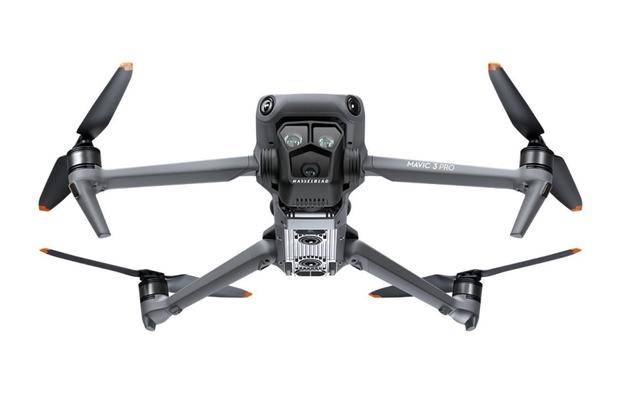 are transforming how humans explore the water’s depths. By making the ocean more accessible, they’re a tool that not only entertains but educates and enlightens.