
The use of drones in California has been on a steady rise over the past decade, transforming industries and redefining the possibilities of technology. From agriculture to cinematography, drones are more than just flying gadgets; they are tools of modernization and efficiency. As California is home to diverse landscapes and industries, the demand for drones has surged, bringing with it both opportunities and challenges.
Transforming the Agricultural Sector
California is known as the agricultural powerhouse of the United States, producing nearly half of the nation’s fruits, vegetables, and nuts. The adoption of drones has revolutionized how crops are monitored and managed. Equipped with advanced sensors and imaging technologies, drones in California’s agriculture can detect crop diseases, assess water distribution, and provide actionable data for precision farming. This has led to better yields, reduced resource wastage, and a move toward sustainable farming practices. Key players in agribusiness are increasingly relying on drones to maintain California’s leadership in agriculture.
Sensors and Technology Advancements
Modern drones come fitted with multispectral and hyperspectral sensors. These technologies enable farmers to pinpoint issues at their early stages, something that traditional methods would often overlook. The fusion of drone technology with AI in agriculture is expected to grow even further in the coming years.
Cinematography: The New Aerial Eye
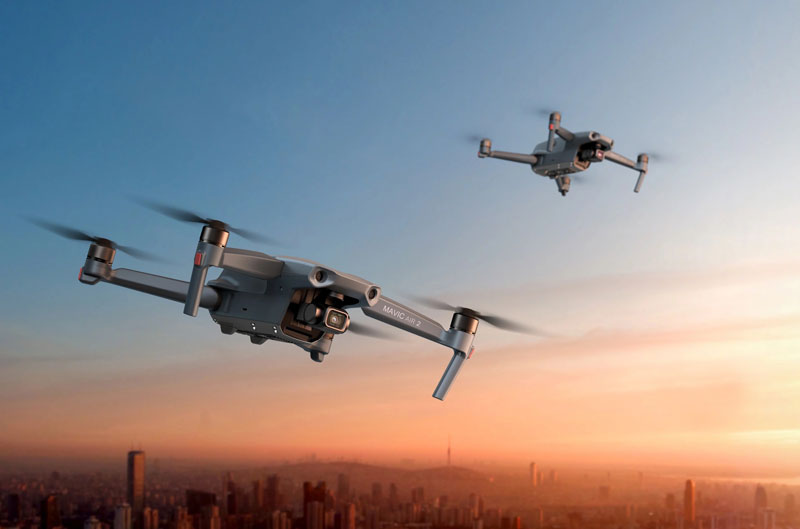
Another significant industry where drones have made an undeniable impact is filmmaking. Hollywood, as the heart of the entertainment industry, has embraced drones for their versatility and affordability in capturing breathtaking aerial shots. Drones allow filmmakers to achieve otherwise challenging shots without the expense of helicopters or cranes. California’s scenic beauty, including its coastline, mountains, and bustling cities, has been spectacularly captured through drone cinematography, elevating storytelling to new heights.
Legal Considerations
While the creative possibilities are limitless, drone operators in California must adhere to the Federal Aviation Administration (FAA) regulations. These laws ensure safety and privacy, as drones have the potential to invade personal spaces if improperly handled.
Environmental Monitoring and Conservation
Drones are also becoming invaluable tools in environmental monitoring. Scientists and conservationists in California use drones to track wildlife, monitor forest health, and survey ecosystems. For instance, drones equipped with thermal imaging cameras have helped detect wildfires in their earliest stages, a critical application in a state plagued by devastating fires each year. The ability to collect high-resolution data in real-time makes drones irreplaceable in conservation efforts.
Search and Rescue Missions
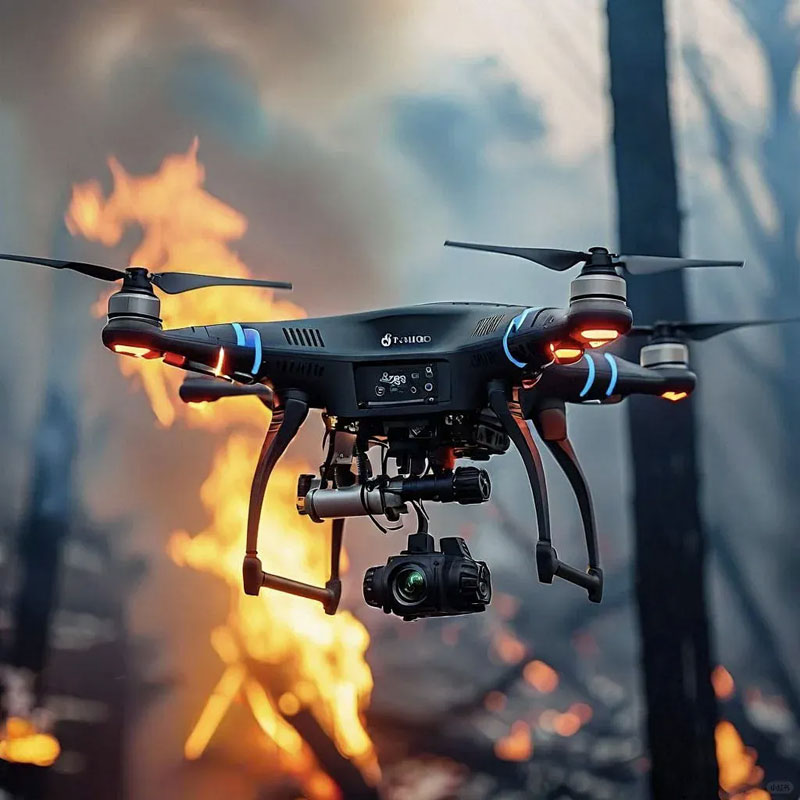
Beyond conservation, drones are playing a pivotal role in search and rescue scenarios. In remote areas or natural disasters, drones equipped with cameras or thermal sensors can locate missing individuals swiftly, saving crucial time and resources. In California’s rugged terrains, this application has proven to be life-saving.
Challenges and Concerns
Despite their advantages, drones in California come with challenges. Privacy concerns are at the forefront, as drones can easily capture images and videos without authorization. Moreover, restricted airspace zones, especially around sensitive locations like airports and government facilities, present limitations to drone operations.
- Noise pollution caused by drones is another rising concern, particularly in urban areas.
- The risk of collisions with other aerial vehicles, birds, or infrastructure remains a persistent issue.
The state government and tech companies are working together to address these challenges, ensuring drones are operated responsibly while balancing innovation.
The Future of Drones in California
The journey of drones in California is only beginning. With the integration of 5G technology, artificial intelligence, and edge computing, the capabilities of drones are expected to expand dramatically. Industries such as logistics may see drones delivering goods to hard-to-reach locations, while advancements in energy storage could lead to longer flight times. California’s tech-savvy ecosystem makes it an ideal breeding ground for further drone innovation.
Companies specializing in autonomous drones are testing delivery systems in cities like San Francisco and Los Angeles. These efforts not only aim to revolutionize logistics but also to reduce emissions by replacing traditional delivery vehicles.
Public-private partnerships and investments in drone startups are accelerating this innovation. As such, the state is poised to be a leader in drone technology globally.
FAQs
- Are drones in California regulated differently than in other states?
- While there are overarching FAA regulations that apply nationwide, specific laws at the state and local level address issues like privacy and no-fly zones. For instance, California has stricter privacy laws for drone operators compared to many other states.
- Can anyone fly a drone in California?
- No, drone operators must follow FAA guidelines, which include obtaining a Part 107 license for commercial purposes. Recreational users must also adhere to certain restrictions.
- What is the future of drone delivery in California?
- The future looks promising with ongoing trials in major cities. If successful, drones could become a key component of last-mile delivery logistics.