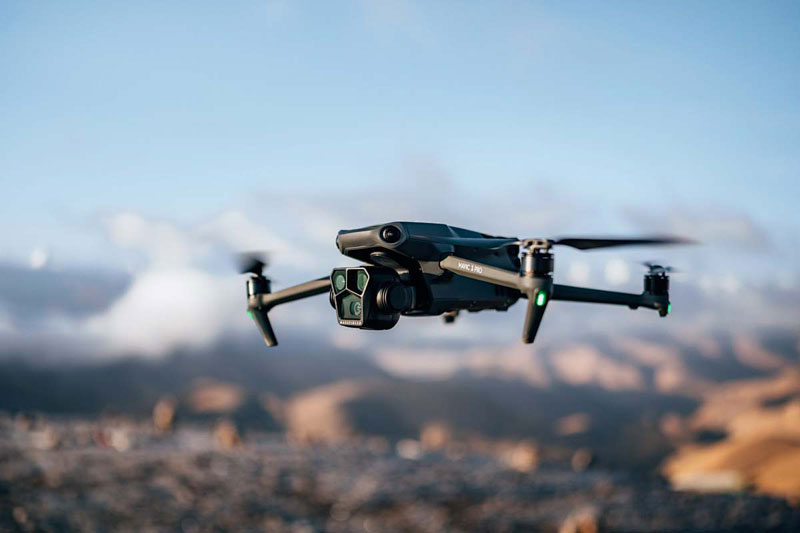
In the rapidly evolving world of transportation technology, the concept of the “drone mothership” is gaining colossal attention. A term that sparks the imagination, it refers to a larger carrier vehicle designed to deploy multiple drones for various applications. This innovation is poised to impact industries ranging from logistics to defense and emergency response. As advancements in autonomous vehicles and drones continue, the idea of a “mothership” is becoming not just feasible but integral to the future of mobility systems.
The Concept Behind Drone Motherships
Drone motherships serve as mobile hubs, allowing a fleet of drones to be deployed and recovered efficiently. The utility of such systems lies not only in their capacity but also in their ability to extend the operational range of drones. Typically, drones are limited by battery life and distance; however, launching them from a mothership eliminates the need for long-distance travel from the base station to the operational area. Whether launched from the skies, seas, or land, these “flying carriers” or “floating hubs” bring a paradigm shift in how we visualize unmanned operations.
Key Applications of Drone Mothership Technology
- Military and Defense: One of the primary areas of implementation is in defense. Drone motherships can be employed in reconnaissance missions, remote strikes, and even large-scale surveillance operations, enabling broad overviews of enemy activities without requiring a manned presence.
- Logistics and Cargo Delivery: The commercial potential of motherships in transporting goods has captured significant interest. Picture a fleet of delivery drones launching from a central airborne vehicle to individually deliver packages across a region. This not only optimizes time but also reduces ground traffic congestion.
- Emergency Response:
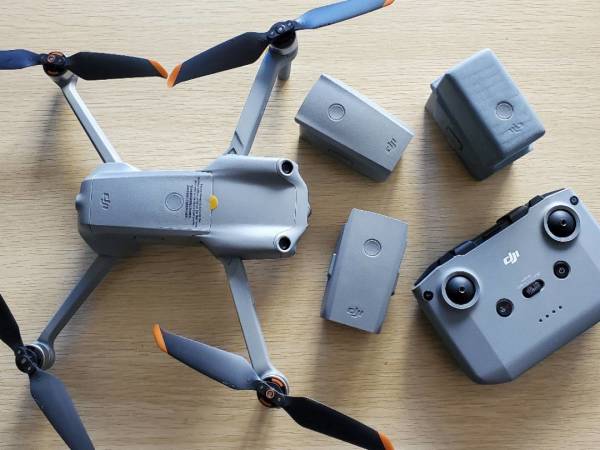 In disaster zones, environments dangerous for humans, or inaccessible locations, drone motherships can deploy drones equipped to transmit live data, deliver medical supplies, or even conduct search and rescue missions.
Technical Features and Challenges
The successful realization of drone motherships depends on resolving several technical challenges. Balancing payload capacity, fuel or energy efficiency, and seamless drone deployment mechanisms are just starters. Advances in autonomous navigation, Artificial Intelligence (AI), and communication systems will also be crucial for ensuring efficient coordination between the mothership and its drones. Notably, the mothership must feature a scalable design to accommodate varying drone sizes and payloads.
Design Innovations Making Headlines
The engineering innovation doesn’t stop with robust functionality. The design of drone motherships is taking cues from aeronautics and marine architecture. Some prototypes feature a hybrid airship-mothership model, which can remain airborne for extended periods, while naval versions prioritize water stability and stealth.
One intriguing model is a solar-powered mothership concept, capable of perpetual operation using renewable energy sources — a key to creating sustainable remote operations.
In urban areas, land-based motherships integrated with autonomous vehicles are under consideration. These vehicles can move in sync with drones, offering greater flexibility for delivering goods or gathering data in dense environments.
Market Growth and Potential
Analysts predict a boom in the drone mothership market, with estimates exceeding several billion dollars by 2030. Key players in this budding industry include aerospace giants, defense contractors, and tech startups, all vying to carve their niche in this field. Notably, markets in sectors such as e-commerce, surveillance, and emergency medical response are among the first projected to embrace this technology.
FAQs About Drone Mothership Innovations
- How do drone motherships extend the operational range of drones?
- By acting as a mobile launch pad, drone motherships shorten the travel distance that drones need to cover, enabling them to focus solely on the mission at hand rather than resource-draining transit.
- What industries will benefit most from drone motherships?
- Industries like defense, logistics, e-commerce, and emergency services are among the primary beneficiaries due to the scalability and versatility of motherships.
- What are the main challenges in implementing drone mothership systems?
- Technical integration, cost considerations, and ensuring seamless communication between the mothership and drones are the main hurdles that researchers and developers are currently addressing.